The Simple Nutrition Guide for Body Transformation
If you've ever Googled "best diet for weight loss," you've probably been overwhelmed by conflicting advice. Keto. Paleo. Carnivore. Vegan. Intermittent fasting. The list goes on. At Sierra Tango Fitness, we don't believe in one-size-fits-all diets. We believe in sustainable nutrition strategies that work with your lifestyle — not against it. Here's our no-nonsense guide to eating for body transformation.
Why Most Diets Fail
Let's start with the uncomfortable truth: most diets fail because they're not sustainable. Any plan that eliminates entire food groups, requires you to eat at specific times, or leaves you feeling constantly deprived is destined to end in a binge, frustration, or both. The diet industry thrives on your failure — they want you to come back for the next miracle plan. Real nutrition isn't about restriction; it's about building a healthy relationship with food that supports your energy, performance, and goals for the long haul.
The Foundation: Calories and Macros
At the most fundamental level, body composition comes down to energy balance. To lose fat, you need to consume fewer calories than you burn. To build muscle, you need a slight surplus combined with resistance training. But it's not just about how much you eat — it's about what you eat. The three macronutrients — protein, carbohydrates, and fat — each play a critical role in your transformation.
Protein is the building block of muscle. Aim for 0.8 to 1 gram per pound of body weight daily. This supports muscle repair and growth, especially when combined with a solid strength training program. Great sources include chicken, fish, eggs, Greek yogurt, lean beef, and plant-based options like tofu and legumes.
Carbohydrates are your body's preferred fuel source, especially for high-intensity training like our group workouts. Don't fear carbs — embrace them. Prioritize complex carbs like rice, oats, sweet potatoes, fruits, and whole grains. Time your larger carb meals around your training for optimal performance and recovery.
Fats are essential for hormone production, brain function, and overall health. Include healthy fats from avocados, nuts, seeds, olive oil, and fatty fish. Aim for fats to make up about 25-35% of your total calories.
Meal Prep: Your Secret Weapon
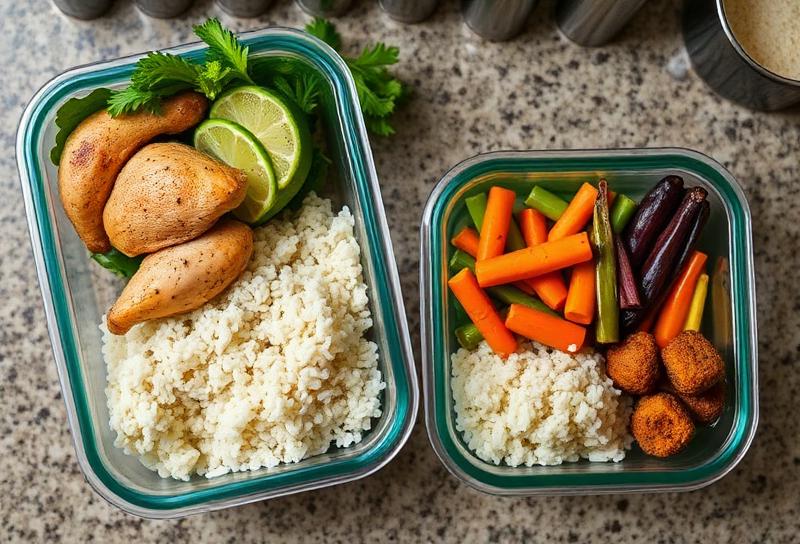
The number one reason people fall off their nutrition plan isn't lack of knowledge — it's lack of preparation. When you're hungry and there's nothing ready to eat, you reach for whatever's convenient, which is usually not aligned with your goals. Meal prepping doesn't have to be complicated or time-consuming. Start by picking one day a week to prepare your protein sources and cook a few batches of carbs. Chop vegetables and portion out snacks. Having grab-and-go meals in your fridge eliminates the decision fatigue that leads to poor choices.
A simple template for each meal: one palm-sized portion of protein, one fist of carbs, one fist of vegetables, and a thumb of healthy fat. This visual approach takes the stress out of counting every calorie while still keeping you on track.
Hydration Matters More Than You Think
Dehydration can mimic hunger, reduce your training performance by up to 25%, and slow your metabolism. Aim for at least half your body weight in ounces of water daily — more if you're training hard or live in a warm climate like we do here in Lodi. Start your morning with a large glass of water before coffee, carry a water bottle throughout the day, and pay attention to the color of your urine (light yellow is the goal). Proper hydration also supports recovery, digestion, and joint health.
The 80/20 Rule
Sustainability is everything. We recommend following an 80/20 approach: eat whole, nutrient-dense foods 80% of the time, and leave room for the foods you enjoy the other 20%. This isn't a cheat meal philosophy — it's a lifestyle approach that acknowledges you're human. Birthday cake, date nights, and social gatherings are part of life. The goal is to make healthy eating your default, not your punishment.
Supplements: What Actually Works
The supplement industry is worth billions of dollars, and most of it is marketing hype. The truth is, if your nutrition is dialed in, you need very few supplements. The ones with strong evidence behind them include: creatine monohydrate (5g daily for strength and muscle), whey protein (convenient way to hit your protein target), vitamin D (especially if you don't get much sun), and magnesium (supports sleep and recovery). Everything else is optional. Don't let fancy supplements distract you from the basics of eating whole foods consistently.
Nutrition Coaching at Sierra Tango
Understanding these principles is one thing — implementing them consistently is another. That's where our nutrition coaching program comes in. Our coaches work with you one-on-one to create a personalized plan that fits your schedule, preferences, and goals. No meal plans you'll never follow. No foods you have to eliminate forever. Just practical guidance and accountability that helps you build habits for life.
When you combine smart nutrition with expert-led training, the results speak for themselves. Our members have achieved incredible body transformations not through extreme measures, but through consistency, coaching, and community support.
Start Simple, Stay Consistent
Don't try to overhaul your entire diet overnight. Pick one or two changes from this guide and implement them this week. Maybe it's hitting your protein target every day, or prepping meals on Sunday. Once that becomes a habit, add another change. Small, consistent improvements compound into massive transformation over time.
The right mindset combined with proper nutrition and training is an unstoppable combination. And you don't have to figure it out alone — our team at Sierra Tango Fitness is here to guide you every step of the way.
Ready to fuel your transformation the right way? Start your free 7-day trial and see what's possible when training and nutrition work together.