GLP-1 & Peptides: What Every Fitness-Focused Adult Should Know
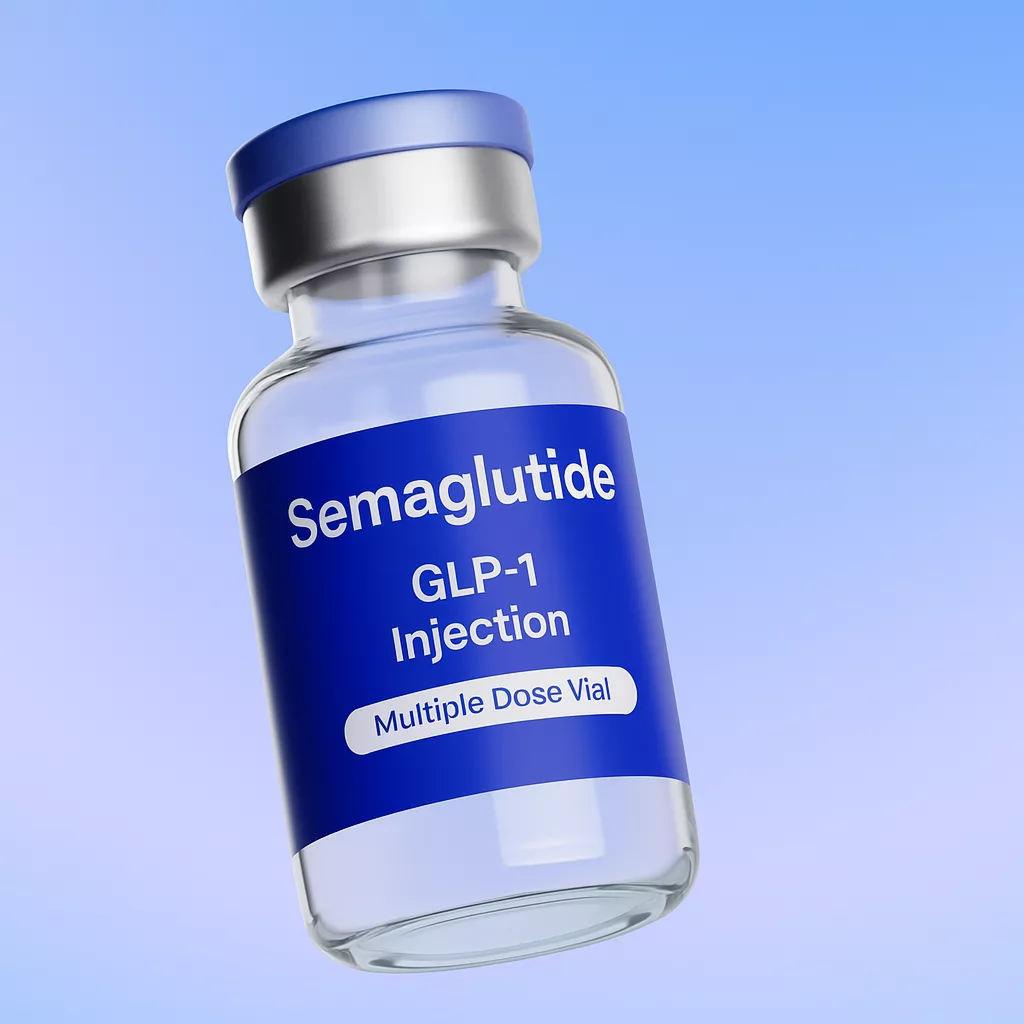
If you've been anywhere near a TV, social media feed, or doctor's office in the last two years, you've heard about GLP-1 medications like semaglutide and tirzepatide. And if you've been in the fitness space even longer, you've probably come across the term "peptides." These tools are changing the conversation around weight loss, recovery, and body composition — but there's a lot of noise, misinformation, and hype mixed in with the real science. At Sierra Tango Fitness in Lodi, we believe in giving you the straight truth so you can make informed decisions about your health.
What Are GLP-1 Medications?
GLP-1 (glucagon-like peptide-1) receptor agonists are a class of medications originally developed for type 2 diabetes management. They work by mimicking a natural hormone your body produces after eating. This hormone signals your brain that you're full, slows gastric emptying so food stays in your stomach longer, and helps regulate blood sugar levels. The result? Reduced appetite, fewer cravings, and for many people, significant weight loss.
Medications like Ozempic, Wegovy, and Mounjaro have become household names because the results can be dramatic — some people lose 15-20% of their body weight. But here's where the conversation gets important: the medication alone is only part of the equation. Without proper strength training and nutrition, much of the weight lost on GLP-1s can come from muscle mass, not just fat. And losing muscle is the last thing you want if your goal is long-term health and a strong metabolism.
The Muscle Loss Problem Nobody Talks About
Studies show that up to 40% of weight lost on GLP-1 medications can come from lean muscle mass if the person isn't resistance training and eating adequate protein. That's a massive problem. Muscle is metabolically active tissue — it burns calories at rest, supports your joints, improves insulin sensitivity, and is directly tied to longevity and quality of life as you age. Losing muscle to see a lower number on the scale is a bad trade.
This is exactly why our Medical Weight Loss (GLP-1) program at Sierra Tango Fitness pairs physician-supervised medication with structured coaching. We make sure you're lifting weights, hitting your protein targets, and building the habits that will keep the weight off long after you taper off the medication. The goal isn't just to lose weight — it's to transform your body composition and keep it that way.
What About Peptides?
Peptides are short chains of amino acids — essentially small proteins — that act as signaling molecules in your body. Different peptides target different biological pathways, and when used strategically under medical guidance, they can support a range of goals including muscle recovery, improved sleep, enhanced growth hormone production, fat metabolism, and even gut health.
Some of the most commonly discussed peptides in the fitness world include BPC-157 (known for tissue healing and gut repair), TB-500 (supports recovery from injury), CJC-1295/Ipamorelin (stimulates natural growth hormone release), and others that target specific recovery and performance pathways. Unlike GLP-1 medications, which primarily address appetite and weight, peptides tend to focus more on recovery, cellular repair, and optimization.
At Sierra Tango, our peptide therapy program is designed for people who are already training and eating well but want to push their results further. Think of peptides as a force multiplier — they work best when your foundation of training, nutrition, and recovery is already solid.
GLP-1 vs. Peptides: Which Is Right for You?
This is one of the most common questions we get, and the answer depends entirely on your goals, your current health status, and where you are in your fitness journey.
GLP-1 medications may be a good fit if you have a significant amount of weight to lose (typically 30+ pounds), you've struggled with appetite control and cravings, and you're ready to combine the medication with a structured training and nutrition program. They're especially powerful for people who feel like they've tried everything and can't get traction. Our physician-supervised approach ensures it's done safely and effectively.
Peptide therapy may be a better fit if you're already relatively active and at a moderate body composition, but you're dealing with slow recovery, nagging injuries, poor sleep, or you've hit a plateau in your training progress. Peptides can help optimize what you're already doing rather than serve as a primary weight loss tool.
Some people benefit from both — and that's a conversation we have during your free consultation. There's no one-size-fits-all answer, which is why we take the time to understand your full picture before making recommendations.
Why Coaching Matters More Than the Prescription
Here's the thing that sets Sierra Tango apart from a telehealth clinic or a med spa handing out prescriptions: we actually coach you. A GLP-1 prescription without training guidance is like buying a race car without learning to drive. You might go fast for a while, but you're going to crash.
Our members on GLP-1 programs are in the gym multiple times per week doing group workouts or private coaching sessions. They're working with our team on nutrition. They're part of a community that holds them accountable. When they eventually come off the medication, they don't rebound — because they've built the habits, the strength, and the lifestyle that sustains results.
The same applies to peptides. Taking a peptide without optimizing your sleep, training, and nutrition is like putting premium fuel in a car that needs an engine rebuild. The fundamentals have to be in place first.
Common Myths and Misconceptions
"GLP-1s are cheating." No, they're not. They're a medical tool that addresses a biological challenge. Appetite dysregulation is a real physiological issue, not a character flaw. Using medication to address it while building healthy habits is smart, not lazy.
"Peptides are steroids." They're not. Peptides are naturally occurring amino acid chains, not anabolic steroids. They work with your body's existing systems rather than overriding them. That said, they should always be used under medical supervision with proper protocols.
"I can just take the medication and not work out." You can, but you'll lose muscle, slow your metabolism, and likely regain the weight when you stop. The research is clear: combining GLP-1 therapy with resistance training and adequate protein intake produces dramatically better outcomes.
The Sierra Tango Approach
We don't push medications or supplements on anyone. What we do is provide honest education, medical oversight from qualified physicians, and world-class coaching to ensure that whatever path you choose, you get the absolute best results possible. Whether you're exploring GLP-1 therapy, peptide protocols, or you just want to train hard and eat right — we meet you where you are.
Every journey starts with a conversation. Our free consultation isn't a sales pitch — it's a chance to sit down, talk about your goals, your history, and your frustrations, and build a real plan. We'll be honest about what we think will work for you, even if that means telling you that you don't need medication and just need better programming and accountability.
Ready to Learn More?
If GLP-1 or peptide therapy has been on your radar, stop Googling and start talking to people who actually integrate these tools with real coaching. At Sierra Tango Fitness, we combine medical science with hands-on training and nutrition guidance to deliver results that last — not just results that look good for a few months.
Explore our Medical Weight Loss (GLP-1) and Peptide Therapy programs to learn more about how we structure these protocols. Or better yet, take the first step and start your free 7-day trial to experience our coaching firsthand.
Your body deserves more than a prescription — it deserves a plan. Let's build one together.