Why Strength Training Is Safe and Beneficial for Young Athletes
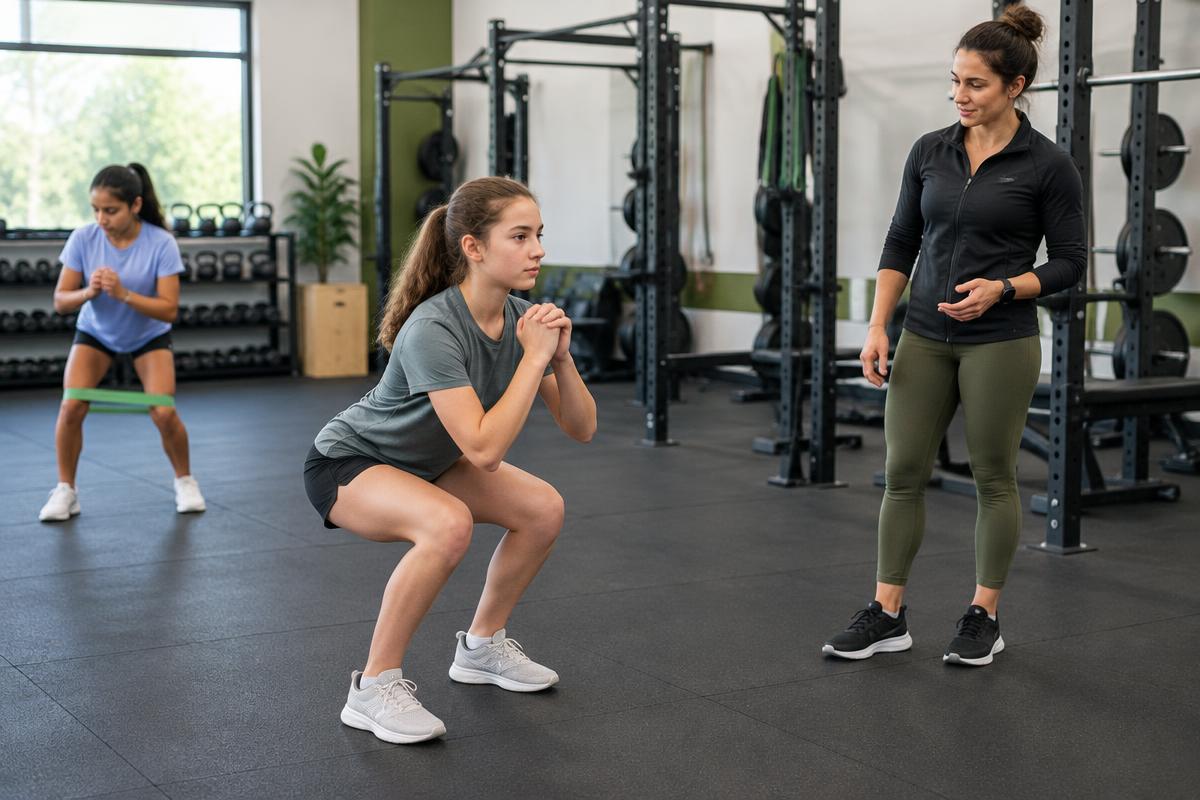
Strength training for young athletes can be safe and beneficial when it is age-appropriate, taught with sound technique, and supervised by a qualified coach. It is not about asking children to train like adults or lift the heaviest weight in the room. It is about learning to control their bodies, develop strength gradually, and build movement skills they can use in sport and everyday life.
Parents understandably want to know whether resistance training is appropriate for a growing athlete. The useful question is not simply whether a child should lift weights. It is whether the program matches that child's readiness, training experience, and overall workload. A well-run session prioritizes instruction, controlled movement, and individual progress—not competition over the weight on a bar.
What Strength Training for Young Athletes Actually Means
Strength training is any exercise that asks muscles to work against resistance. That resistance can come from body weight, elastic bands, light dumbbells, or other equipment selected for the athlete. A controlled squat, an incline push-up, a band row, and a light carry can all belong in a youth program. A barbell is not a requirement, and heavier loading is not automatically better.
The starting point is movement competence. Can the athlete follow a cue, maintain balance, and repeat a movement without losing control? Can they pay attention to safety instructions and stop when asked? Those abilities matter more than trying to match a teammate's workout. Athletes of the same age may need very different exercises and levels of resistance.
Is Strength Training Safe for Growing Children?
Properly designed resistance training is different from unsupervised heavy lifting. In its guidance on strength training for children, the American Academy of Pediatrics explains that significant injuries are rare in well-supervised programs. It distinguishes resistance training from Olympic lifting, powerlifting, and bodybuilding, and emphasizes instruction from a properly certified coach.
The idea that all resistance training stunts growth is not supported by evidence on appropriately supervised programs. That does not make every exercise or training environment safe. Equipment misuse, poor technique, excessive loads, and inadequate supervision can cause injuries. Growing athletes need coaching that respects their development, rather than treating discomfort or exhaustion as proof that a workout worked.
If your child has a medical condition, a previous injury, or persistent pain, speak with their healthcare professional before starting or changing training. A coach can modify exercises, but should not diagnose an injury or override medical advice. Pain during an exercise is a reason to stop and assess—not a cue to push through.
How Strength Supports Athletic Performance
Sport asks young athletes to accelerate, stop, change direction, jump, and hold useful positions while reacting to other players. Strength training develops some of the physical capacity behind those actions. Better control during a squat or hinge, for example, provides a foundation for learning to absorb force and produce it efficiently.
Strength alone does not guarantee a faster sprint or a better game. Athletes still need sport-specific practice, coordination, and decision-making. Resistance training supports that work rather than replacing it. The aim is to make an athlete better prepared for the demands of their sport, not to spend every available hour in the weight room.
Improvements should be judged against the athlete's own starting point. More controlled repetitions, better balance, and less need for reminders can be meaningful progress before any weight is added. Growth and maturation also affect performance, so comparing children solely by their lifting numbers tells parents very little about program quality.
Can Strength Training Help Reduce Injury Risk?
It can help as part of a broader conditioning plan. Developing strength and movement control can better prepare athletes for physical demands they encounter in practice and competition. The National Strength and Conditioning Association's position statement on youth resistance training describes benefits of appropriately designed and supervised programs, including improvements in strength and power, potential contributions to sports performance, and increased resistance to sports-related injuries.
No program makes an athlete injury-proof. Risk also depends on factors such as contact, practice volume, previous injuries, fatigue, and recovery. Strength sessions should therefore be coordinated with sport rather than simply added on top of an already demanding schedule. An athlete who is tired, sore, or struggling to recover may need less work, not another difficult session.
Confidence Built Through Skills, Not Comparisons
A supportive training environment gives young athletes manageable challenges and clear feedback. Learning a movement they initially found difficult can help them develop confidence in their ability to improve. A coach can make that progress visible by highlighting better control, more consistent effort, or a newly learned skill instead of focusing only on appearance or weight lifted.
Confidence is not an automatic outcome of exercising. How adults communicate matters. Avoid body criticism, public rankings, and pressure to keep up with older athletes. A youth session should leave room for questions and mistakes. The athlete should understand that asking for a lighter weight or an easier variation is a responsible training choice.
What an Age-Appropriate Session Should Include
Youth training should follow a clear progression, with the coach adjusting the plan to the individual. The CDC's physical activity guidance for children and adolescents includes muscle-strengthening activities such as climbing and push-ups within a varied, age-appropriate activity routine. Strength work does not have to mean lifting weights, and it should complement other movement rather than replace it. In a coached session, look for these elements:
- A purposeful warm-up: Easy movement and practice prepare athletes for the exercises ahead.
- Demonstration and feedback: The coach explains the movement, watches repetitions, and corrects technique.
- Appropriate resistance: The athlete can control the exercise without straining to finish or sacrificing form.
- Balanced movement practice: Squatting, hinging, pushing, pulling, and carrying can be adapted to the athlete's ability.
- Rest and realistic volume: Breaks allow attention and technique to recover; sessions fit around sport and school.
- Progression based on readiness: Add difficulty only when the current movement is consistently controlled.
A beginner might practice bodyweight squats, a light band row, and a supported push-up variation. A more experienced athlete may be ready for additional resistance. Those are examples, not a universal workout prescription. Exercise choice, sets, repetitions, and frequency should be determined by the coach with the athlete's needs and total training load in mind.
Questions Parents Should Ask Before Starting
Ask who supervises sessions and what experience they have working with children and adolescents. Find out how the coach assesses readiness, teaches unfamiliar movements, and changes exercises when an athlete needs help. Ask how they communicate with parents about pain, fatigue, or difficulty keeping up with the schedule.
Look for specific answers rather than promises of rapid results. A useful program can explain why it chooses an exercise and when it will progress it. You can also read our overview of specialty classes at Sierra Tango Fitness to understand how focused coaching differs from simply providing access to equipment.
Recovery Is Part of Youth Athletic Development
Training does not happen in isolation. Sleep, regular meals, hydration, school stress, and sport practices all influence how an athlete responds. Avoid restrictive diets or adult bodybuilding nutrition targets for growing children. If you have concerns about fueling or growth, a pediatric healthcare professional or appropriately qualified dietitian can provide individualized advice.
Rest is not a reward that must be earned through exhaustion. It is part of preparing for the next session. Our article on recovery habits that support training explains the broader importance of recovery; youth athletes still need routines adapted to their age and circumstances.
A Stronger Foundation for Young Athletes in Lodi
The best reason to introduce strength training for young athletes is to build a foundation they can use over time: controlled movement, appropriate strength, confidence in learning, and respect for recovery. Safe training is not defined by avoiding all resistance. It is defined by choosing the right challenge, teaching it well, and adjusting when the athlete needs something different.
At Sierra Tango Fitness in Lodi, our youth program focuses on basic movement patterns, body awareness, and confidence through structured coaching. Visit the Young Athletes Program page to learn about our approach and ask the team about current availability and whether it fits your athlete. Start with a conversation about their experience, sport schedule, and goals—not a promise to lift more than everyone else.
This article provides general education, not individualized medical advice. Consult your child's healthcare professional about medical conditions, injuries, or concerns before beginning a new training program.