GLP-1s & Peptides: The Smart Way to Use Them (Without Losing Your Muscle)
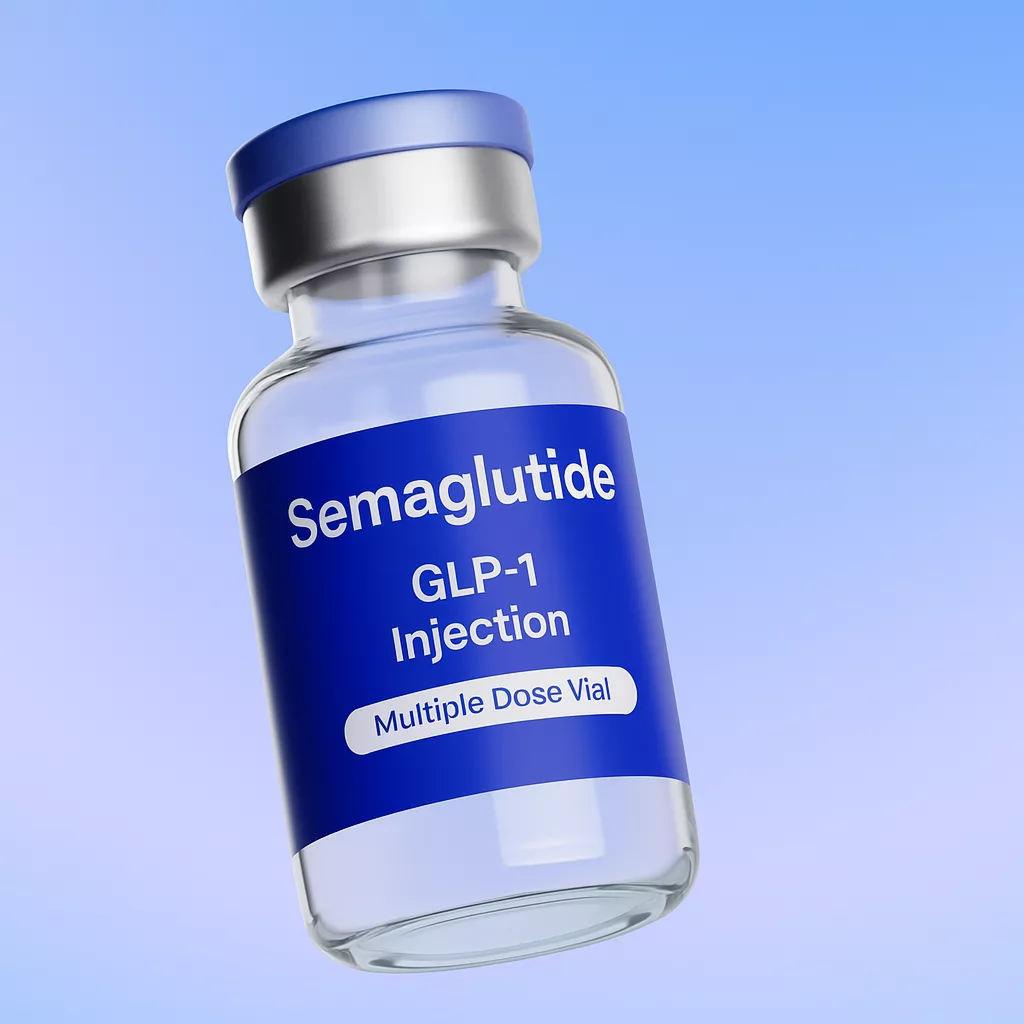
GLP-1 medications and peptide therapy are everywhere right now — and for good reason. Used correctly, they can accelerate fat loss, sharpen recovery, and unlock progress that diet and training alone struggle to deliver. Used incorrectly, they leave people skinny-fat, exhausted, and right back where they started six months later.
At Sierra Tango Fitness in Lodi, we treat these tools the same way we treat barbells, programming, and nutrition coaching: with structure, supervision, and a clear plan. Here's how we think about GLP-1s and peptides, and how to use them without wrecking the body you're trying to build.
What GLP-1s Actually Do
GLP-1 (glucagon-like peptide-1) is a hormone your body already produces. It tells your brain you're full, slows digestion, and helps regulate blood sugar. Medications like semaglutide and tirzepatide are refined versions of that signal — they amplify what your body is already trying to do.
The result for most people: appetite quiets down, cravings fade, and the constant food noise that sabotaged every previous diet finally goes away. That's not magic. That's a metabolic intervention working the way it's supposed to.
The GLP-1 class has been studied since the mid-1990s and used clinically since 2005. Semaglutide was FDA-approved for type 2 diabetes in 2017 and later approved for chronic weight management. This isn't an experimental compound — it's a well-researched tool, backed by peer-reviewed clinical trials, that's finally being applied to a problem (chronic obesity and metabolic dysfunction) that diet advice alone hasn't solved.
The Real Risk: Losing the Wrong Kind of Weight
Here's the part most clinics won't tell you. When appetite drops 60–70%, most people stop eating enough protein. They stop training hard. They lose 30 pounds — but a significant portion of that loss can be lean muscle mass, bone density, and metabolic tissue. That's where "Ozempic face" and the skinny-fat look come from. It's not the medication. It's the lack of a plan around the medication.
At Sierra Tango, we treat the GLP-1 as the easy part. The hard part — the part that determines whether you keep your results — is built around it:
- Protein first, every meal. We target roughly 1g per pound of goal body weight through structured Nutrition+ coaching. When appetite is suppressed, protein becomes non-negotiable.
- Heavy strength training, 3–4x per week. Muscle is the metabolic engine. Our group strength workouts and private coaching make sure you don't lose it.
- Walking and daily movement. Cheap, sustainable, and the easiest way to add output without crushing recovery.
- Bloodwork and check-ins. So we know your kidney, liver, and metabolic markers are improving — not declining.
Done right, the weight you lose is body fat. Period. You come out the other side leaner, stronger, and with a metabolism that actually works.
Where Peptides Fit In
Peptides are short chains of amino acids — signaling molecules your body uses to communicate between systems. They aren't steroids. They don't shut down your natural hormone production. They "nudge" specific processes: tissue repair, growth hormone release, sleep quality, fat metabolism. Learn more on our dedicated Peptide therapy page.
The most common protocols we see in our coaching population fall into a few buckets:
- Recovery & repair — Peptides like BPC-157 are used in integrative medicine to support tissue healing, especially for clients pushing hard in training or coming back from a nagging injury.
- Growth hormone support — Peptides that gently elevate natural GH release can improve sleep depth, recovery, and body composition over time.
- Body composition — Used alongside training and nutrition, certain peptides can support fat metabolism and lean tissue retention during a cut.
Peptides aren't a replacement for the basics — they're an amplifier. If sleep is bad, protein is low, and training is inconsistent, no peptide protocol on earth is going to fix that. But layered on top of a solid foundation, they can be the difference between "good results" and "best shape of my life."
"Do I Have to Be On This Forever?"
This is the question we get more than any other. The honest answer: probably not, if you use this window correctly.
Think of a GLP-1 like training wheels. It keeps you upright while you build the skills — protein habits, training consistency, sleep, stress management — that actually maintain a leaner body long-term. Some clients do well on a low maintenance dose. Many transition off completely once we've rebuilt the metabolic engine and locked in the lifestyle. The medication buys you a runway. What you do with the runway determines whether you stay there.
Why Coaching Matters More Than the Medication
You can get a GLP-1 prescription from a dozen telehealth services. You can find peptide protocols online in five minutes. What you can't get from an app is someone watching your training, your nutrition, your bloodwork, and your stress load — and adjusting in real time so the medication actually does what it's supposed to do. That's the difference our coaching team brings to every client.
That's the model we run at Sierra Tango. Medical oversight from licensed providers. US-regulated compounding pharmacies. Coaches who actually train you, hold you accountable on protein, and program your lifts around your recovery. Learn more about our Medical Weight Loss program, our Peptide therapy options, and our complete list of programs.
Is This Right for You?
GLP-1s and peptides aren't for everyone, and they aren't a first step. They're a tool we reach for when someone has a real metabolic challenge, a meaningful amount of fat to lose, or a recovery and performance goal that the basics alone aren't getting them to. The only way to know if it's the right fit is a conversation. If you'd rather start with training first, grab a free 7-day trial or check out our free resources.
Book a free 1-on-1 consultation and we'll walk through your goals, your history, and whether a medical-assisted approach actually makes sense for you. No pressure, no sales pitch — just a real plan. Prefer to talk first? Reach out directly or call us at (209) 200-6601.