The Benefits of Group Fitness Classes for Motivation and Accountability
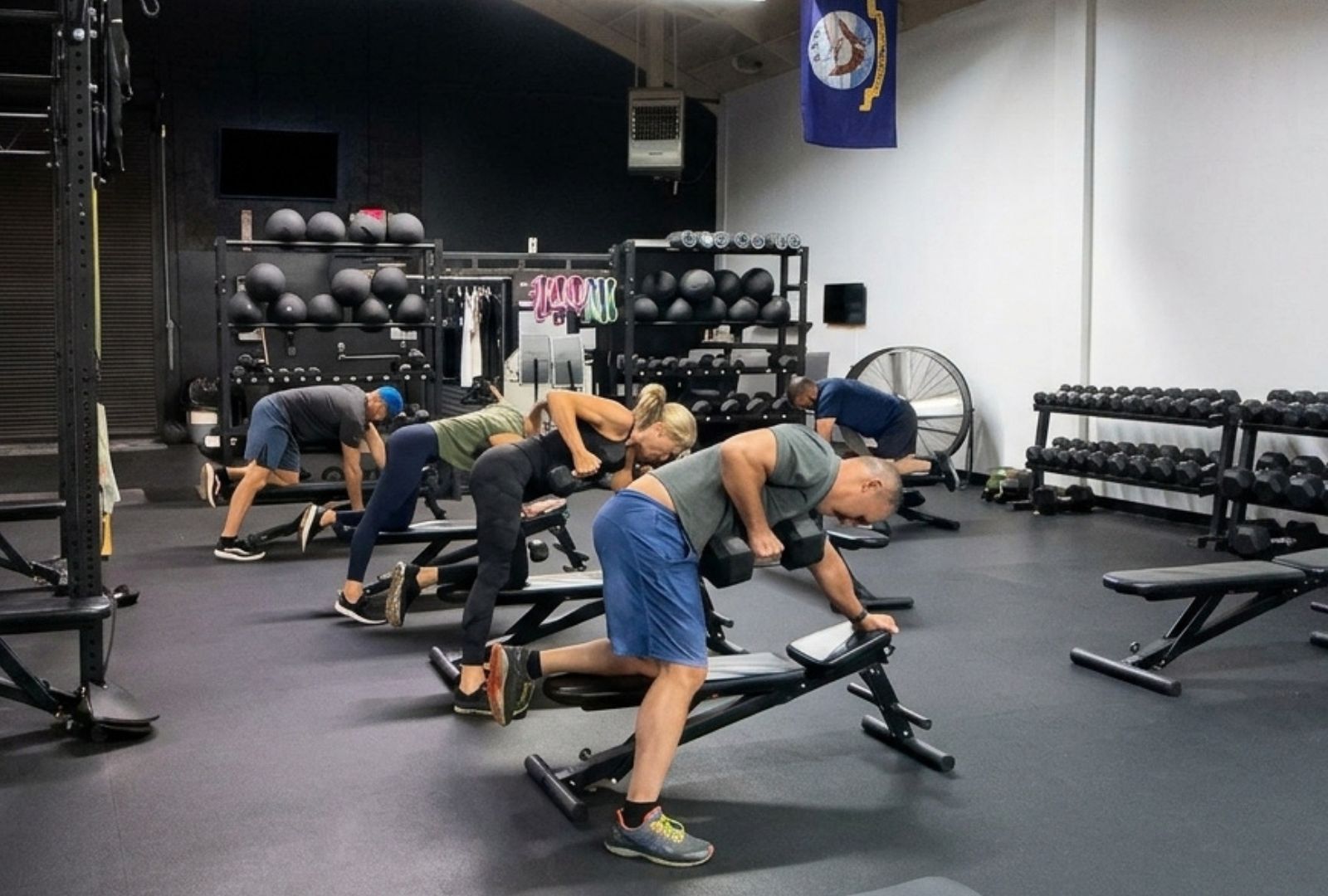
The benefits of group fitness classes go beyond sharing a workout with other people. A well-run class gives you a planned session, coaching feedback, and a regular place in your week to practice. That combination can make it easier to start exercising, keep appointments with yourself, and return after a difficult week. Motivation helps you begin; a repeatable routine helps you continue when enthusiasm is lower.
For busy adults in Lodi, consistency often depends on reducing friction. Work, family responsibilities, and fatigue can turn an open-ended gym visit into another decision you postpone. Group training replaces some of those decisions with a clear appointment and a session you do not have to design yourself. The right environment supports your goals without pressuring you to match someone else's pace, weight, or experience.
Benefits of Group Fitness Classes: Structure Before Willpower
When you train on your own, you may need to decide when to go, which exercises to do, and whether your plan is appropriate. A coached class can reduce that planning burden. You arrive at a scheduled time, receive instruction, and follow a session with a purpose. A useful program includes progression and exercise options rather than a different collection of demanding movements every day.
This structure does not remove personal responsibility. You still need to choose realistic attendance times and communicate what you need. It does make the next action clearer. Instead of waiting until you feel motivated to organize a workout, you can focus on attending the session already on your calendar. Repeating that decision across ordinary weeks matters more than an occasional burst of intense effort.
Shared Effort Can Make Exercise More Engaging
Training alongside others can make a session feel less isolating. Familiar faces, encouragement, and a coach's attention can give you reasons to look forward to attending beyond a distant fitness goal. Seeing another beginner learn a movement may also help you recognize that improvement takes practice. You do not need to be outgoing or competitive to benefit from a welcoming group.
Social support is more useful when it respects individual needs. The Healthy People 2030 overview of social cohesion describes connections between supportive relationships, community participation, and health, including physical activity. This is broader evidence about social connection—not proof that every fitness class produces better results. Class quality, personal preferences, and whether you feel comfortable in the group all matter.
Accountability Should Help You Return, Not Make You Feel Guilty
Accountability starts with a specific commitment: which sessions you intend to attend and what you will do if a conflict occurs. A regular group can reinforce that commitment because attendance becomes part of a shared routine. Coaching adds another layer when you can discuss barriers and get practical feedback. Ask a prospective gym how attendance and progress are reviewed rather than assuming every class includes individual follow-up.
Missing a session is information, not a character flaw. If evening classes repeatedly conflict with work, a different time may be more useful than another promise to try harder. If soreness keeps disrupting your schedule, review exercise difficulty and recovery with your coach. Helpful accountability identifies the problem and changes the plan. It should never depend on public criticism, punishment workouts, or pressure to exercise through pain.
Coaching Builds Confidence Through Clear Feedback
Many people hesitate to exercise because they are unsure how to use equipment or choose an appropriate starting point. A qualified coach can demonstrate movements, observe technique, and suggest modifications. Learning a controlled squat, a suitable push-up variation, or a manageable carry can make training feel more understandable. Confidence grows from practicing skills successfully, not from being pushed into an exercise before you are ready.
Look for a class where the coach can see participants and offer useful instruction. Ask how beginners are introduced, how injuries or limitations are accommodated, and whether the session fits your current ability. A shared workout should still allow different loads, ranges of motion, and rest periods. Stop if an exercise causes pain, and seek healthcare advice for persistent symptoms or medical concerns that affect participation.
Regular Attendance Supports Meaningful Health Benefits
The health value of a class comes from the activity you can sustain, not simply from the group label. The CDC's summary of physical activity benefits explains that regular activity supports brain health, strengthens muscles and bones, and helps reduce the risk of several chronic conditions. Some benefits can begin after a single session, while many depend on a consistent routine over time.
For adults, the CDC's physical activity guidelines recommend at least 150 minutes of moderate-intensity aerobic activity per week, or an equivalent amount of vigorous activity, plus muscle-strengthening activity on at least two days. A class may contribute to these recommendations depending on its content and intensity. Not every strength session provides enough aerobic activity, and a class schedule is not a substitute for individualized medical advice.
Measure Your Own Progress Instead of Comparing Performances
A group provides company, but your training targets should remain personal. Another participant may have years of experience, a different injury history, or different goals. Copying their weights or speed can make your session less productive. Better measures include attending planned sessions, improving control, completing an appropriate workload, and recovering well enough to return.
Keep a simple record of attendance, exercises, and how sessions felt. Review trends over several weeks rather than judging a single difficult day. Our guide to tracking fitness progress explains ways to assess improvement beyond body weight. A coach can help decide when to increase difficulty and when keeping the same workload is the better choice.
Choose a Group Fitness Class That Fits Your Life
The most impressive-looking class is not necessarily the one you will attend consistently. Consider travel time, the available schedule, the coaching approach, and whether the atmosphere feels supportive. Before committing, ask about the session format and what a first visit involves. Clear answers are more useful than promises of rapid changes or claims that one style works for everyone.
- Schedule: Choose times that fit your usual week, including a realistic backup option.
- Instruction: Look for demonstrations, technique feedback, and room to ask questions.
- Adaptability: Confirm that exercises can match your experience and current needs.
- Environment: Notice whether encouragement is respectful and individual progress is valued.
- Expectations: Ask how progress is reviewed and what support is actually included.
Explore our group fitness classes in Lodi to see how Sierra Tango Fitness approaches coached group training. Use that information to discuss your starting point and what fits your goals. Group sessions can work well for many adults, while others may prefer more individual instruction or a different exercise setting.
Make Your First Month Repeatable
Begin with an attendance plan you can maintain, not the maximum number of sessions you could squeeze into an unusually quiet week. Prepare what you need the night before, leave enough travel time, and tell the coach about relevant limitations. During the first few sessions, prioritize learning movements and understanding effort levels rather than matching the group's most experienced members.
At the end of each week, review whether your plan worked. Keep the parts that were manageable and adjust the barriers. Balance training with adequate food, sleep, and recovery. If you want to experience the setting before deciding, start a 7-day free trial at Sierra Tango Fitness. The benefits of group fitness classes are most useful when shared motivation becomes a practical routine you can continue through busy weeks—not just a session you enjoy once.