Personal Training vs. Working Out Alone: Which Delivers Better Results?
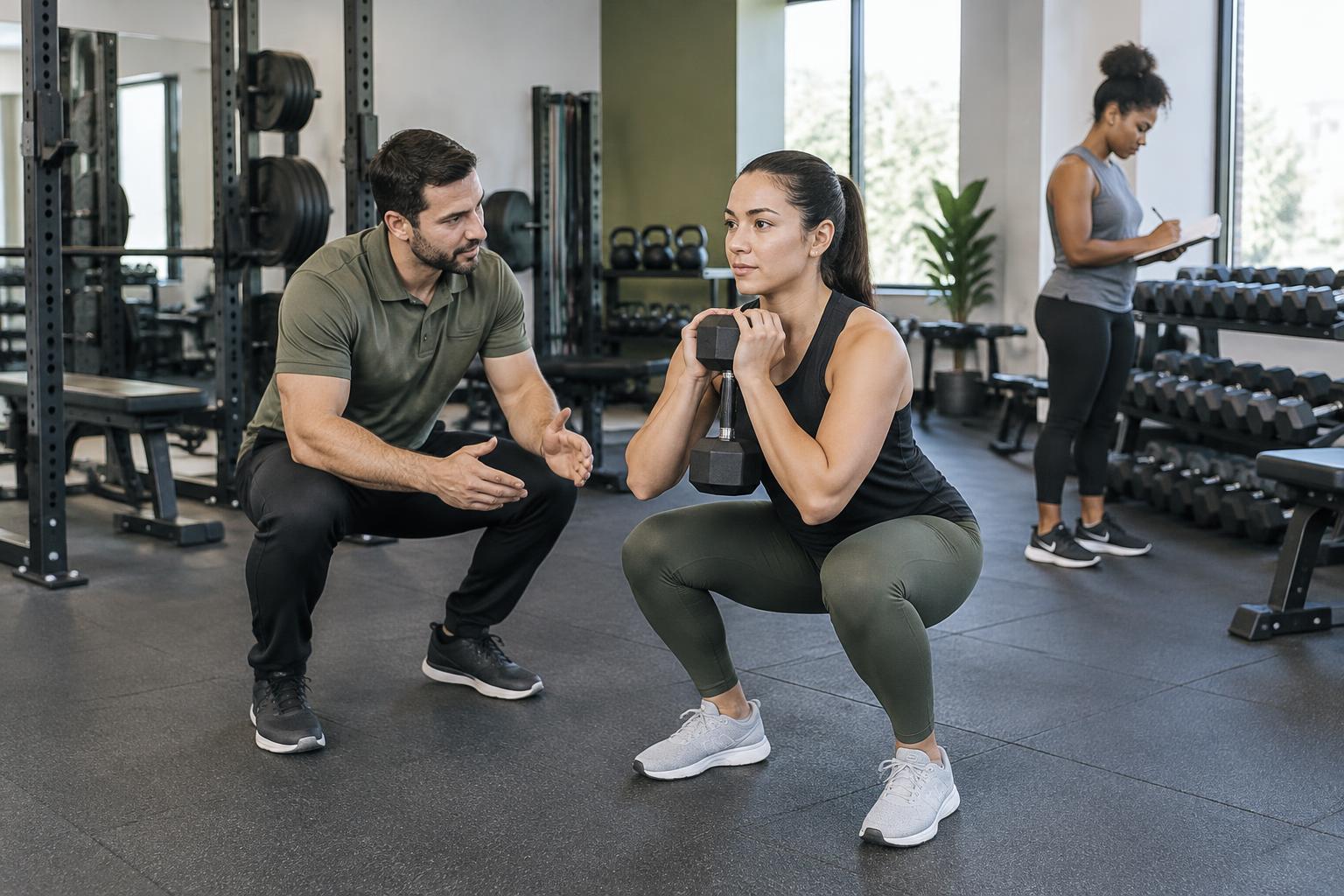
Personal Training vs Working Out Alone is not a contest between people who need help and people who do not. Both approaches can improve strength, fitness, and health. The useful question is which setting helps you follow an appropriate plan consistently. Coaching adds individualized instruction and feedback; solo training offers independence and flexibility. Better results depend on how those advantages match your experience, goals, and everyday responsibilities.
For busy adults in Lodi, time spent exercising needs a clear purpose. If you regularly arrive at the gym without a plan, repeat the same weights for months, or abandon workouts when work gets demanding, personal training may address specific obstacles. If you already train confidently, record your sessions, and adjust your workload sensibly, working out alone may be a practical option. Neither choice guarantees a particular outcome.
Personal Training vs Working Out Alone: The Main Differences
A personal trainer can help assess your starting point, select exercises, observe technique, and review progress. The value is not simply having someone count repetitions. It is receiving guidance that responds to what you can do today and what you want to improve. A useful coach explains the purpose of the plan and adapts it when your schedule, recovery, or readiness changes.
Solo training puts those decisions in your hands. You choose the session time, exercise selection, effort level, and progression. This can work well with a sensible program and enough experience to recognize when an adjustment is needed. It can be less effective when independence becomes guesswork. An online routine may provide structure, but it cannot observe your movement or understand every limitation affecting your session.
- Instruction: Coaching provides live feedback; solo training requires more self-assessment.
- Scheduling: Appointments create structure; independent sessions offer more flexibility.
- Planning: A trainer can guide progression; a solo exerciser manages the program personally.
- Cost: Individual coaching typically costs more, so compare its actual support with your needs and budget.
Which Approach Is Better for Building Strength?
Strength develops through appropriate resistance training repeated over time. You need exercises you can perform with control, enough challenge to stimulate improvement, and recovery that allows you to return. A trainer can help a beginner learn a squat or hinge, select a manageable load, and recognize when technique is becoming inconsistent. That feedback can make early sessions more focused and understandable.
Experienced solo exercisers can also build strength effectively. A written program and a training log help them avoid changing exercises randomly or relying on memory. Progress might mean adding a controlled repetition, improving range of motion, or increasing resistance when appropriate. More weight is not automatically better if it changes the movement or creates pain. Coaching is helpful when it improves these decisions, not merely when it makes a workout harder.
The CDC's adult physical activity guidelines recommend muscle-strengthening activity on at least two days per week alongside at least 150 minutes of moderate-intensity aerobic activity, or an equivalent amount of vigorous activity. These are general health recommendations, not a personalized strength program. Your starting point and medical needs may require a different initial workload.
Weight Loss Depends on More Than Who Leads the Workout
A coached session does not automatically produce more fat loss than an independent one. Weight management depends on the wider pattern of eating, activity, sleep, and other individual factors. Personal training may help you attend regularly and use your exercise time effectively, but it cannot cancel out an unsustainable eating routine. Likewise, training alone can support weight management when it fits a realistic, consistent plan.
The CDC's guidance on healthy weight loss emphasizes healthy eating, regular activity, enough sleep, and stress management, while recognizing the influence of medical conditions and medicines. Our article on nutrition for successful weight loss explains practical habits that complement training. Seek individualized nutrition or medical advice when health conditions or a history of disordered eating affect your needs.
Accountability Can Make a Plan Easier to Follow
An appointment creates a specific commitment instead of an intention to exercise sometime this week. A trainer can also help identify why sessions keep getting missed. If your plan repeatedly collides with late work meetings, a different time or shorter session may be more useful than more encouragement. Ask how a prospective coach reviews attendance and barriers rather than assuming every training package includes the same follow-up.
Solo accountability can be effective too. Put workouts on your calendar, prepare equipment or clothing in advance, and choose a backup option for disrupted days. Review whether the plan worked at the end of the week. If you repeatedly avoid the same session, investigate the reason. A routine you can maintain usually matters more than an ambitious schedule you follow briefly and then abandon.
Technique, Confidence, and Safety
Real-time instruction is especially useful when an exercise is unfamiliar. A coach can demonstrate the movement, check your setup, and suggest an alternative that better matches your ability. Look for someone who listens to your concerns and explains adjustments clearly. A qualification is a starting point; respectful communication and appropriate boundaries matter as well. Trainers should not diagnose injuries or override healthcare advice.
Training alone is not inherently unsafe, and supervised training is not risk-free. Use equipment as intended, start conservatively, and arrange appropriate safety measures for exercises where a failed repetition could trap you. Stop an exercise that causes pain. Seek healthcare guidance for persistent symptoms, new concerning symptoms, or a condition that affects participation. Exhaustion and soreness are not reliable measures of a productive workout.
How to Compare Results Without Guessing
Define success before choosing an approach. Someone returning to exercise may first need a repeatable attendance routine. Another person may prioritize lifting strength, aerobic fitness, or body composition. Record a few relevant measures consistently, then review trends over several weeks. Daily scale changes and one difficult workout do not tell you whether a whole program is effective.
Our guide to tracking fitness progress covers ways to evaluate improvement beyond weight alone. The CDC's overview of physical activity benefits also highlights outcomes such as better brain health, stronger muscles and bones, and reduced risk of several chronic conditions. Those benefits come from activity itself, not from a guarantee that one training format always outperforms another.
A Combined Approach May Fit Better
You do not have to choose one method permanently. Some people use coaching to learn movements and establish a program, then complete suitable sessions independently. Others keep periodic coaching to review technique and progression while maintaining a flexible solo schedule. The right balance depends on your competence, budget, and what support actually helps you follow through.
Before arranging a combined plan, clarify which workouts you will do on your own and how they fit with coached sessions. Avoid adding demanding workouts simply because you have extra time. Recovery still matters, and more sessions can become counterproductive if they exceed your current capacity. Share your outside activity with your coach so the overall workload can be considered.
Choose the Support That Solves Your Actual Problem
Personal training is worth considering when you need individualized instruction, clearer programming, or practical accountability. Working out alone may suit you when you enjoy independence and already follow a sound plan consistently. Review the option against your actual week, not your most motivated day. Ask what guidance is included, how progress is reviewed, and how the approach can adapt to your experience.
If you want individual guidance in Lodi, explore private coaching at Sierra Tango Fitness and discuss your starting point. The answer to Personal Training vs Working Out Alone is the approach that helps you train appropriately, return consistently, and build skills you can keep using. Choose a workable system rather than a promise of faster results for everyone.