Is Personal Training Worth It? Here's What You Need to Know
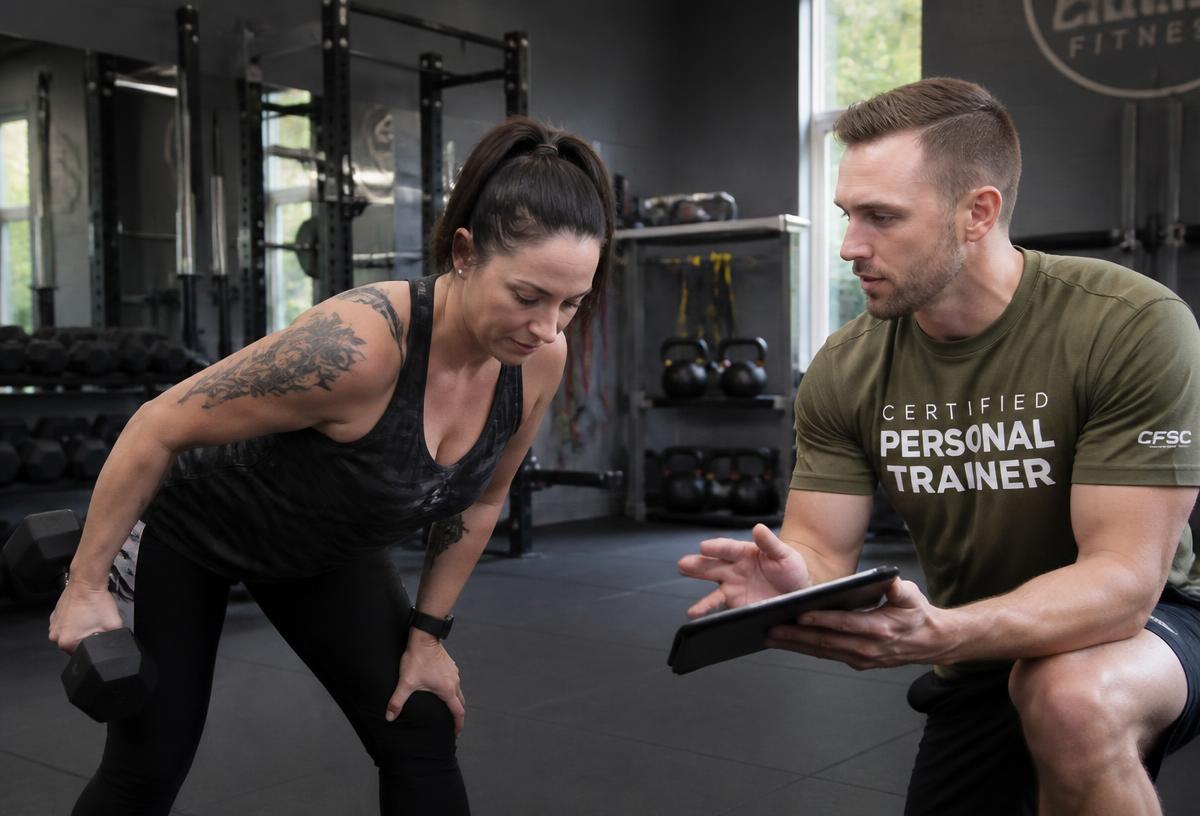
It's a fair question, and one we hear on almost every intro call: is personal training actually worth the money? You can join a gym for $30 a month, so paying more for a coach deserves scrutiny. The honest answer is that the benefits of personal training come down to four things — a plan built for you, someone accountable for whether you follow it, technique that keeps you healthy, and results that arrive in months instead of years. Here's how to judge whether that's worth it for your situation.
1. A Program Built for Your Body, Not the Internet's
Most people don't fail because they're lazy. They fail because they're running a program that was never designed for their body, schedule, injury history, or starting point. A coach assesses how you move first, then builds progression around it — the right exercises, the right loads, the right volume, adjusted every few weeks as you get stronger. The American College of Sports Medicine is clear that progressive overload and individualization are what drive adaptation. That's exactly what a generic app can't do.
If you want to see what that looks like in practice, our private coaching program pairs you with one coach who owns your plan start to finish.
2. Accountability Is the Real Product
Knowing what to do has never been the hard part — doing it consistently for six months is. When someone is expecting you at 6 a.m., tracking your numbers, and asking about the meals you skipped, adherence goes way up. Research summarized by Harvard Health repeatedly points to structure and supervision as the strongest predictors of whether people stick with exercise long-term. Motivation fades; appointments don't.
3. Better Technique, Fewer Setbacks
The fastest way to lose three months of progress is a tweaked back or an inflamed shoulder from grinding out bad reps. A trainer watching you lift catches the small faults — a rounding spine, a knee caving in, a bar path drifting — before they turn into injuries. That's especially valuable if you're over 40, returning after time off, or working around an old injury. The CDC's adult activity guidelines call for two full-body strength sessions per week; doing them correctly is what makes them sustainable.
4. Speed — You Stop Wasting Years
The most underrated benefit is time. Self-coached lifters often spend two or three years finding what works. With a coach, that compresses into weeks, because the guesswork is removed and the plan changes the moment your data says it should. Nutrition is usually the biggest accelerator here, which is why our coaching integrates directly with our nutrition coaching instead of treating food as an afterthought.
When Personal Training Is Not Worth It
We'll say the unpopular part: if you already train consistently, know how to program, and are progressing on your own — you may not need 1-on-1 coaching. Group classes or a check-in model may serve you better. Personal training is worth it when you're a beginner, plateaued, short on time, coming back from injury, or you've simply proven to yourself that you won't do it alone.
How to Decide Without Guessing
Don't sign up based on a blog post — including this one. Come in, meet a coach, and get assessed. Book a free intro call or claim a 7-day free trial at our Lodi gym, train with a coach on the floor, and judge the value from the inside. If it's not the right fit, we'll tell you that honestly.